
"coffee cherry defects"
1000 article(s) found

Flavor description of Indonesian Golden Manning Coffee introduction to Grinding scale in producing area
Indonesia Gold Mantenin Coffee Flavor description Taste Variety characteristics of production area Grinding scale introduction 1, selection of beans: freshly harvested coffee beans are put in a tank filled with water, and mature unattractive beans will sink, while unripe and overripe unattractive beans will float up and can be removed. 2. Drying: put the selected ripeness on the square for 5-6 days until it is fully dry.

Introduction to the story of the source of Yega Autumn Sakura Coffee beans
Professional coffee knowledge exchange more coffee bean information please follow the coffee workshop (Wechat official account cafe_style) Yega Xuefei Coffee-Autumn Sakura. Hand flush. The aroma of mixed Earl black tea brings the sweet and sour texture of cherry and lemon on the tip of the tongue, and the finish seems to have the sweetness of chamomile. In this cup of autumn cherry, the 20-year-old girl captures the enthusiasm and joy of the berries, and the 40-year-old uncle can return to Ganzhong.

A brief introduction to the characteristics of Yejia Coffee, the method of brewing, the method of flavor description, and the grinding scale.
A brief introduction to the grinding scale of the flavor description of the brewing method of Yejia Coffee 1. When picking beans, only fully ripe crimson coffee cherries are picked. Before exposure, the beans will be screened for defects in the processing plant to make the beans look more average in size and maturity. two。 Next, use a tall wooden frame or a whole scaffolding to make the sun, so that the beans can be avoided and placed on the ground.

Introduction of three treatment methods of raw coffee beans
Dry process introduction (sun processing drymethod) drying method: with soft sour taste and mild bitter taste. This method is used in Brazil, Ethiopia and Yemen. Disadvantages: vulnerable to weather, defective beans and foreign bodies are more likely to mix. Process: coffee is either dried naturally on the patio, or dried by machine, or both. The method of treatment is

Coffee washing method Solarization and processing method Taste variety Production area introduction
Sunlight is also known as natural drying because it uses natural sunlight to dry coffee fruits and green beans. Due to the use of artificial and natural processing methods in the process, sun-dried beans look less neat in appearance and sell less well. 1. Bean selection: Put the harvested fruit into a tank filled with water, and the ripe fruit will sink, while the immature and overripe fruits will sink.

Description of the taste of Yejia Coffee Coffee introduction to the manor of variety producing area by grinding scale treatment
Yega Xuefei Coffee characteristics description Grinding scale treatment Variety producing area Manor introduction Coffee trees are mostly planted in farmers' own backyards or mixed with other crops in the field, with little yield per household, which is a typical pastoral coffee. Yega Xuefei won the prize beans almost from the above-mentioned coffee villages and communities. The so-called Yega Chevy refers to the strong aromas of jasmine, lemon or lime acid, and
What's the difference between ORC cherry and aricha? What is the native species?
Professional coffee knowledge exchange more coffee bean information please follow the coffee workshop (Wechat official account cafe_style) Ethiopian coffee mainly has eight major producing areas, namely: Lekempti, Limu, Illubabor, Djimmah, Harar, Teppi/Bebeka, Sidamo, Yirgacheffe. Yejasuefei is a small town in Ethiopia, 1700-2100 meters above sea level

Geographical location of East African Coffee in Burundi characteristics and defects of Burundian Coffee
Burundi is a small country, about the size of Maryland. Coffee-growing areas are concentrated in the northern centre of the country, extending northward from the centre of the country to the Rwandan border (including Kitga, Kaluzi, Kayanza, Kirundo, Muyinga and Ngozi provinces). In the northern mountains of a small landlocked country, specialty coffee is becoming a source of hope and opportunity. Ngozi area is high above sea level

Introduction to three treatment methods of high-quality coffee beans
Dry process introduction (sun processing drymethod) drying method: with soft sour taste and mild bitter taste. This method is used in Brazil, Ethiopia and Yemen. Disadvantages: vulnerable to weather, defective beans and foreign bodies are more likely to mix. Process: coffee is either dried naturally on the patio, or dried by machine, or both. The method of treatment is

Sumatra coffee beans have a high defect rate. What are the reasons for Sumatra coffee defects?
Professional coffee knowledge exchange More coffee bean information Please pay attention to coffee workshop (Weixin Official Accounts cafe_style) Why does Mantenin have to choose so many times by hand? There is a reason, of course. Today, the wet planing method has been popularized. Sumatra coffee beans are processed by wet planing method. March to May and September to December are the seasons for harvesting Sumatra mantinin every year. Most coffee farmers now only harvest.

Introduction to the flavor description and grinding scale treatment of Yejiaxuefei coffee varieties
Yega Xuefei's grading system is not based on the number of eyes, but on the proportion of defective beans in the total number of raw beans. Commonly seen are washing G2 and sunbathing G3 Yega Chuefei, G1 is the highest grade, Yega Xuefei, which has the lowest defect rate and the best quality, can be selected by hand before it can be rated as the first Grade 1 Cochi from Adulina.

Ethiopian coffee beans G1 and G2 are just different in the number of defective beans?
Ethiopian coffee beans G1 and G2 are just different in the number of defective beans. After picking beans without special screening and treatment, uneven appearance and maturity are mixed together, the process is relatively rough, so the quality of coffee beans is unstable and prone to defective beans. two。 Coffee farmers usually find an open space near their home to deal with it, so there are often a lot of miscellaneous things on the ground.
Coffee oh green beans processing method: coffee green beans three processing methods introduced
Dry method: It has a mild sour taste and a mild bitter taste. Brazil, Ethiopia and Yemen use it. Disadvantages: easily affected by weather, defective beans and foreign materials mixed with more opportunities. Processing: Coffee is either dried naturally on the patio, or dried by machine, or both. treatment method is

Introduction to the Flavor description Variety characteristics of Solar G1 Sidamo Coffee Bean
The improved tanning method, that is, to improve the two shortcomings of the traditional way: 1. When picking beans, only fully ripe crimson coffee cherries are picked. Before exposure, the beans will be screened for defects in the processing plant to make the beans look more average in size and maturity. two。 Next, use a tall wooden frame or a whole scaffolding to make the sun, so that you can avoid putting the beans on the ground.

Sun Yega Chuefei Review: comparison between ORC Red Cherry and Aricha
Professional coffee knowledge exchange more coffee bean information please follow the coffee workshop (Wechat official account cafe_style) Ethiopian coffee mainly has eight major producing areas, namely: Lekempti, Limu, Illubabor, Djimmah, Harar, Teppi/Bebeka, Sidamo, Yirgacheffe. Yejasuefei is a small town in Ethiopia, 1700-2100 meters above sea level

A brief introduction to the flavor description and taste treatment of Sidamo Shakiso coffee beans
A brief introduction to the flavor description and taste treatment of Sidamo Shakiso coffee beans. When picking beans, only fully ripe crimson coffee cherries are picked. Before exposure, the beans will be screened for defects in the processing plant to make the beans look more average in size and maturity. two。 Then, use a tall wooden frame or a whole scaffolding to make the sun, so as to avoid putting the beans on the ground.
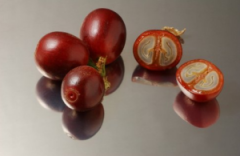
Coffee bean processing technology introduction to three treatment methods of raw coffee beans
Dry process introduction (sun processing drymethod) drying method: with soft sour taste and mild bitter taste. This method is used in Brazil, Ethiopia and Yemen. Disadvantages: vulnerable to weather, defective beans and foreign bodies are more likely to mix. Process: coffee is either dried naturally on the patio, or dried by machine, or both. The method of treatment is

Introduction to the quality characteristics of Coffee Flavor description treatment in Yega Ficher Manor, Ethiopia
Ethiopia's Yega Fischer Yega Sheffield grading system is not based on the size of the mesh, but on the percentage of defective beans in the total number of raw beans. Commonly seen are wash G2 and sun G3 Yega Chuefei, G1 is the highest grade, Yega Xuefei, which has the lowest defect rate and the best quality, can be rated as Grade 1 only after hand selection. In
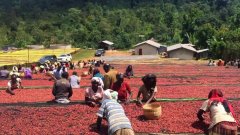
Top quality Yega Snow Coffee Fine Coffee Red Cherry, what's the flavor?
Professional coffee knowledge exchange more coffee bean information please follow the coffee workshop (Wechat official account cafe_style) Ethiopian coffee mainly has eight major producing areas, namely: Lekempti, Limu, Illubabor, Djimmah, Harar, Teppi/Bebeka, Sidamo, Yirgacheffe. Yejasuefei is a small town in Ethiopia, 1700-2100 meters above sea level